
What to Expect From a Single Dental Implant
Missing a tooth can affect more than your smile. It can make chewing harder, change the way you speak and even cause adjacent teeth to shift over time. The good news? A single dental implant can replace that tooth with something that looks, feels and works like a natural tooth.
At True Course Dentistry, Dr. Daniel Miller and our team help patients looking for dental implants in Hampstead, NC find a lasting solution. If you've been wondering what the process actually involves, here's what to expect, step by step.
What is a single dental implant?
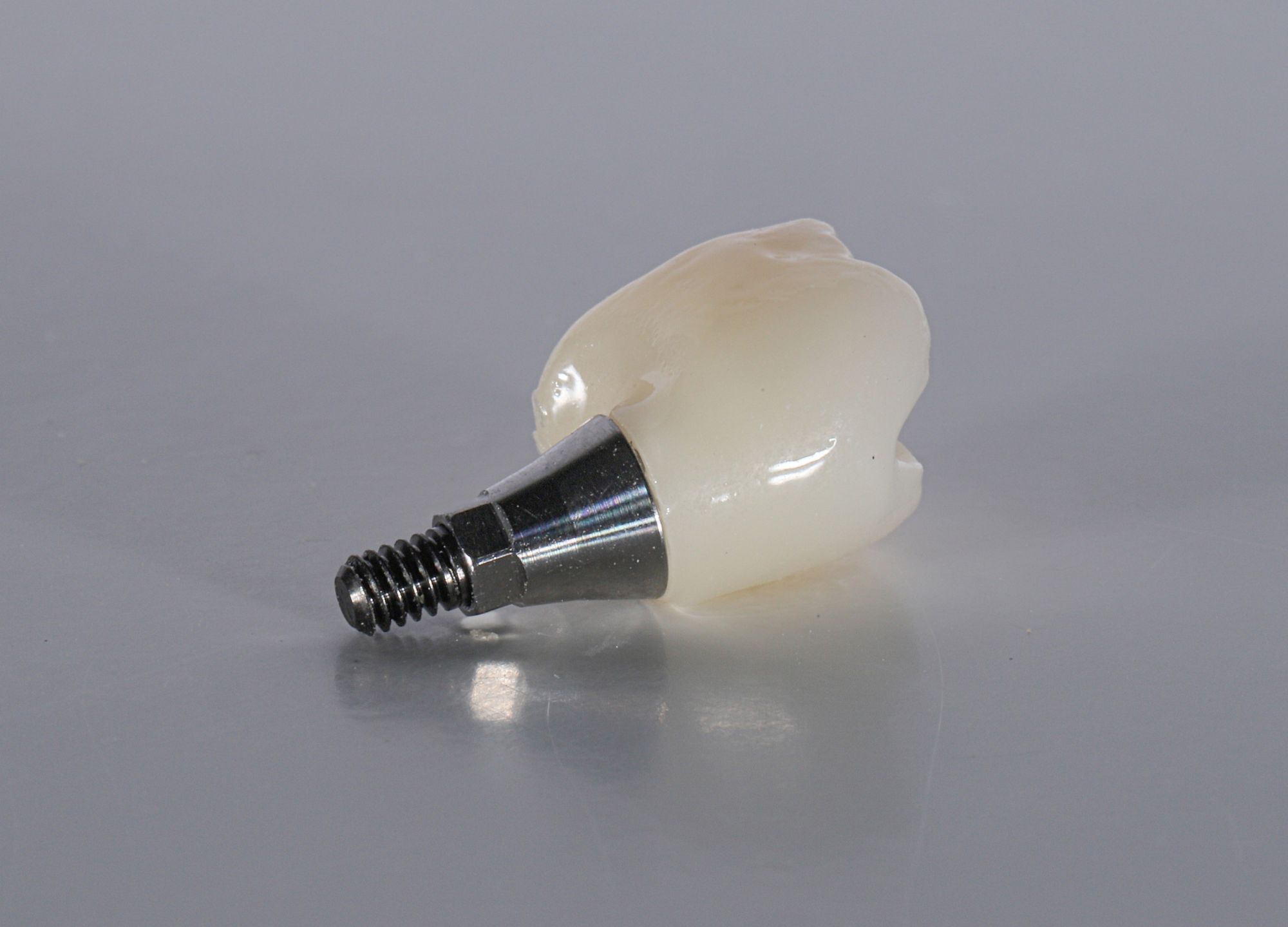
A single dental implant is a tooth replacement made of three parts that work together:
- The post: a small piece of medical-grade titanium that replaces the tooth root.
- The connector: a piece that attaches the post to your new tooth.
- The crown: a custom porcelain tooth designed to match the shade, shape and size of your natural teeth.
Because the post is anchored in your jawbone, your new tooth is stable and secure. There's nothing to take out at night and no adhesive to worry about.
Many people choose a single dental implant after losing a tooth to decay, a crack, gum disease or an injury. Others have a baby tooth that never had an adult tooth behind it. Whatever the reason, a single dental implant fills the space with a strong, permanent tooth that doesn't depend on the teeth around it. It's one of the most natural-feeling ways to restore your smile and your bite.
(Curious how that compares to removable options? Read Dental Implants vs. Dentures.)
Why replace a missing tooth this way?
- It looks natural. Your crown is custom-made to blend in with the teeth around it.
- It works like a real tooth. You can chew comfortably, speak clearly and enjoy the foods you love.
- It protects your jawbone. When a tooth is lost, the bone underneath can start to shrink. The titanium post stimulates the jawbone the way a natural root does, which helps prevent bone loss and keeps your face looking full.
- It's built to last. With proper care, it can serve you well for decades.
- It protects your other teeth. Nothing is attached to your healthy neighboring teeth, so they stay strong.
Dental implant vs bridge: which is better?
If you're missing a single tooth, you've probably heard of two options: an implant or a dental bridge. Both can fill the gap, but they work in very different ways.
A traditional bridge uses the teeth on either side of the gap as anchors. To hold the bridge in place, those healthy adjacent teeth have to be reshaped and covered with crowns. A bridge also doesn't replace the root, so the bone under the gap can continue to shrink over time. Bridges can also be harder to floss under, which makes daily cleaning take a little more effort.
A single dental implant stands on its own. It doesn't lean on the teeth beside it, which are left untouched. And because it replaces the root, it helps keep your jawbone strong. You can brush and floss it just like your other teeth. For many patients, that makes it the longer-lasting, more natural choice.
That said, a bridge can still be a good fit in some situations, such as when the teeth next to the gap already need crowns. Dr. Miller will walk you through both options and create a treatment plan that fits your needs and goals.
Are you a good candidate?
Most healthy adults who are missing a tooth can be good candidates. At your consultation, Dr. Miller will look at a few key things:
- Bone health. Your jawbone needs to be strong enough to support the post. If you've lost some bone, a bone graft can often rebuild the area first.
- Gum health. Healthy gums help you heal well. If there are signs of gum disease, we'll treat that first.
- Overall health. Some health conditions and habits, like smoking, can slow healing. We'll go over your medical background to plan the safest care for you.
- Daily care. Your new tooth needs the same brushing, flossing and checkups as natural teeth to stay healthy.
What to expect, step by step
1. Consultation and 3D imaging
Every treatment starts with a careful plan. Dr. Miller uses cone-beam computed tomography (CBCT), a type of 3D imaging, to see your bone, nerves and surrounding teeth in detail. This lets us plan the exact position of your new tooth root for a precise, comfortable result. If your jawbone needs extra support, Dr. Miller can perform a bone graft to build up the area first.
2. Placement
Placement is a minor surgical procedure done right here in our office. Dr. Miller makes a small opening in the gum and places the titanium post where your tooth used to be. The area is then closed so healing can begin. If you feel nervous about dental work, ask about our sedation options. We want you to feel relaxed and comfortable from start to finish.
3. Healing and bonding
Over the next few months, the post bonds with your jawbone. This process is called osseointegration, and it's what makes this type of tooth replacement so strong. Your gums usually settle within one to two weeks, and we'll see you for follow-up visits to make sure everything is healing well.
4. Your custom crown
Once the post has fully bonded, we attach your custom porcelain crown. Then you're ready to smile, bite and chew with confidence. Want to see real results? Browse our before and after gallery.
Tips for the first few days
Most patients feel back to normal quickly. Some tenderness or swelling is common early on. These tips can help you stay comfortable while you heal:
- Eat soft foods like yogurt, eggs, soup and smoothies for the first few days.
- Chew on the other side of your mouth.
- Use a cold compress on your cheek to help with swelling.
- Keep the area clean by gently following the care instructions we give you.
- Avoid smoking, which can slow healing.
- Call us if pain or swelling gets worse instead of better.
Always follow Dr. Miller's personal aftercare instructions, since every patient's treatment is a little different.
Are there any risks?
Dental implants have a strong track record, but like any surgical procedure, they do carry some risks. Knowing about them helps you make an informed choice. Possible complications include:
- Infection at the site, which is usually prevented with good aftercare and good oral hygiene.
- Nerve irritation that can cause tingling or numbness in the lip, chin or gums.
- Sinus problems when a tooth in the upper jaw is replaced close to the sinus.
- Failure to bond with the jawbone, which is more likely in people who smoke or have certain health conditions.
Careful planning makes a big difference. Dr. Miller's 3D imaging shows the exact location of your nerves, sinuses and bone before treatment begins, which helps lower these risks. If you ever notice anything unusual while you heal, call our office right away.
Can I get it done in one day?
In some cases, yes. Depending on your bone health, the location of the tooth and your overall treatment needs, we may be able to place the post and attach a temporary tooth on the same day. Dr. Miller will let you know at your consultation if this is an option for you.
How to choose the right dentist
The skill and experience of your dentist matter. When you're comparing offices, here are a few questions worth asking:
- What training do you have? Look for a dentist with advanced education in this type of care and membership in a respected professional group.
- Do you use 3D imaging? CBCT scans help your dentist plan each step with precision.
- Can you do bone grafting? Having this done in the same office can make your treatment simpler.
- Can I see your results? Before and after photos show the quality of the work.
- How will you keep me comfortable? Sedation can help nervous patients relax.
At True Course Dentistry, we check every one of these boxes. Dr. Miller is a member of the American Academy of Implant Dentistry (AAID) and has advanced training in restorative dentistry. We offer in-office 3D imaging, bone grafting and sedation, along with a comfort-first approach to every visit.
Missing more than one tooth?
If you're missing several teeth or a full arch, a single implant may not be the best fit. Learn how All-on-X dental implants and full-mouth rehabilitation can restore your whole smile.
Caring for your new tooth
Your crown can't get cavities, but the tissue that supports it still needs attention. Good dental care at home will keep your new tooth healthy for years to come:
- Brush twice a day and floss daily, just like your natural teeth.
- Keep up with your regular cleanings and checkups.
- Let us know right away if anything feels loose or sore.
Frequently asked questions
Does getting a dental implant hurt?
Most patients are surprised by how comfortable it is. The area is fully numbed before we begin, and we offer sedation options if you feel anxious. Afterward, mild soreness for a few days is normal and usually easy to manage.
How long does the dental implant process take?
Most of the time is healing. The post needs a few months to bond with your jawbone before your final crown is placed. If you need a bone graft first, that can add time. In some cases, a temporary tooth can be placed the same day.
What happens if I wait to replace a missing tooth?
When a tooth is missing, the jawbone in that spot slowly loses volume, and adjacent teeth may drift into the gap. Over time, this can change your bite and make chewing harder. Waiting too long can also mean extra steps, like bone grafting, before treatment.
How long does a single dental implant last?
With good care, many patients enjoy their new tooth for several decades. Brushing, flossing and regular checkups are the keys to keeping it healthy.
Can a dental implant get a cavity?
No. The crown can't decay. However, the gums and bone around it can still become inflamed or infected, so good oral hygiene and regular cleanings are still important.
Am I too old for a single dental implant?
Age alone usually isn't what matters. Your overall health, bone density and gum health are more important. Dr. Miller will review your health history and 3D images to let you know if this treatment is right for you.
Ready to fill the gap?
You don't have to live with a missing tooth. If you're considering dental implants in Hampstead, NC, reach out to True Course Dentistry to (910) 406-0787 or book your consultation online. We're at 22 South Pearsall Lane, Unit B, in Hampstead, and proudly serve patients from Hampstead to Wilmington.
Recent Posts
What to Expect From a Single Dental Implant

The All-on-X Advantage: Transforming Your Smile and Quality of Life in Wilmington
Complexity Without the Stress: How Sedation Makes Full-Mouth Care Possible
Dental Implants vs. Dentures: Why a Permanent Foundation is the Superior Choice

Full Mouth Reconstruction: The Superior Path to Restoring Your Dental Legacy
All-on-X Dental Implants: A Permanent, High-Quality Reset for Your Smile
Welcome to True Course Dentistry
.avif)
ready for care with direction? we’re here.
Whether you’re due for a checkup or want to explore options for implants or cosmetic dentistry, True Course Dentistry is here to make the process simple, transparent, and comfortable from the very first visit.
Let’s navigate your oral health journey together.
Accepting new patients now!